
Therapeutical Areas
Specialized care for complex medical needs across multiple therapeutic fileds
Addressing High-Unmet Medical Needs
Novuspharm focuses on highly specialized therapeutic fields, addressing complex and high-unmet medical needs across the hospital and specialist care settings. Our expertise spans multiple medical disciplines, including : Neurology, Hematology, Nephrology, Internal Medicine, Pediatrics, Anesthesia & Critical Care.
With a strong commitment to rare and severe conditions, as well as essential hospital therapies and innovative drug-delivery solutions, we support high-value medical programs throughout Algeria. Our broad therapeutic scope enables close collaboration with healthcare professionals, from diagnosis to long-term disease management, while continuously expanding into new areas of innovation.
Rare and Severe Diseases
Within this framework, Novuspharm is engaged in the management of selected rare and severe conditions with significant unmet medical needs, where advances in specialized care have transformed patient outcomes.
Paroxysmal Nocturnal Hemoglobinuria (PNH)
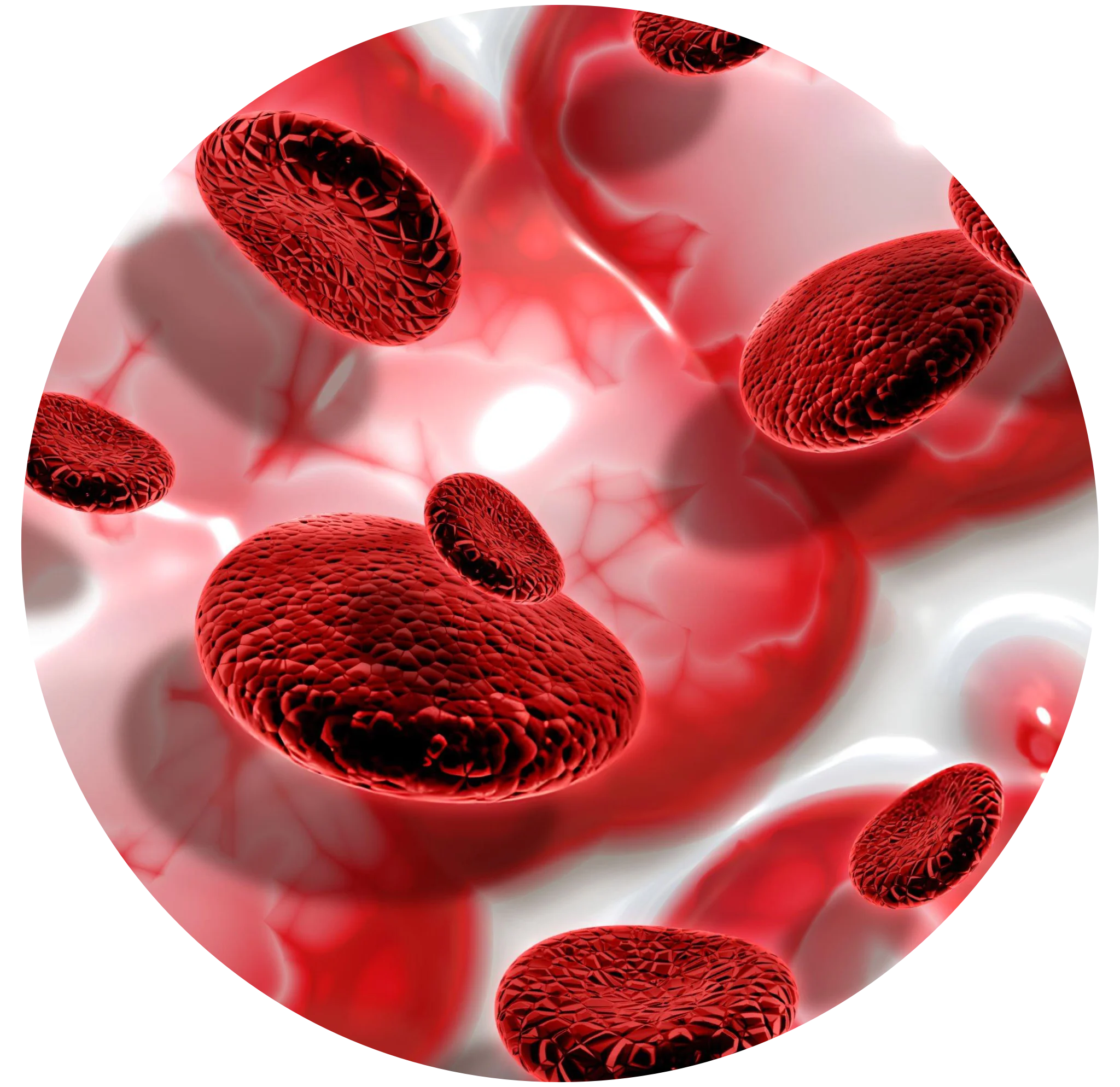
Paroxysmal Nocturnal Hemoglobinuria (PNH) is a rare, acquired hematologic disorder caused by uncontrolled activation of the complement system, leading to chronic intravascular hemolysis, thrombosis, and bone marrow failure. The disease is associated with substantial morbidity and reduced survival without appropriate long-term management.
Scientific references
- Brodsky RA. Paroxysmal nocturnal hemoglobinuria. New England Journal of Medicine, 2014.
- Hill A et al. Paroxysmal nocturnal haemoglobinuria. Nature Reviews Disease Primers, 2017.
Atypical Hemolytic Uremic Syndrome (aHUS)
Atypical Hemolytic Uremic Syndrome (aHUS) is a rare, life-threatening thrombotic microangiopathy driven by dysregulation of the alternative complement pathway. It primarily affects the kidneys and may lead to multi-organ involvement, making early diagnosis and appropriate disease management critical.
Scientific references
- Noris M, Remuzzi G. Atypical hemolytic–uremic syndrome. New England Journal of Medicine, 2009.
- Fakhouri F et al. Consensus recommendations for the management of aHUS. Kidney International, 2017.
Neuromyelitis Optica Spectrum Disorder (NMOSD)
Neuromyelitis Optica Spectrum Disorder (NMOSD) is a rare autoimmune disease of the central nervous system characterized by severe, recurrent inflammatory attacks affecting the optic nerves and spinal cord. Relapses are often associated with permanent neurological disability, highlighting the importance of effective long-term disease control.
Scientific references
- Wingerchuk DM et al. International consensus diagnostic criteria for NMOSD. Neurology, 2015.
- Pittock SJ et al. Eculizumab in AQP4-IgG–positive NMOSD. New England Journal of Medicine, 2019.
Gaucher Disease – Type 1 and Type 3
Gaucher Disease is a rare inherited lysosomal storage disorder caused by deficiency of the enzyme glucocerebrosidase, leading to progressive accumulation of glucosylceramide in multiple organs. Type 1 presents with systemic involvement, while Type 3 is associated with chronic neurological manifestations.
Scientific references
- Grabowski GA. Gaucher disease. The Lancet, 2008. Stirnemann J et al.
- Gaucher disease: clinical, biological and therapeutic aspects. Orphanet Journal of Rare Diseases, 2017.
Refractory Generalized Myasthenia Gravis (gMG)
Refractory generalized myasthenia gravis is a rare and severe autoimmune neuromuscular disorder characterized by persistent muscle weakness and fatigability despite standard therapies. Complement-mediated damage at the neuromuscular junction plays a key role in disease severity and functional impairment.
Scientific references
- Gilhus NE. Myasthenia gravis. New England Journal of Medicine, 2016.
- Howard JF et al. Safety and efficacy of eculizizumab in refractory generalized myasthenia gravis. The Lancet Neurology, 2017.
Hemophilia A and B
Hemophilia A and B are rare inherited bleeding disorders caused by deficiencies in coagulation factors VIII and IX, respectively. Patients are at risk of recurrent bleeding episodes that may lead to progressive joint damage and long-term disability without comprehensive care.
Scientific references
- Srivastava A et al. WFH guidelines for the management of hemophilia. Haemophilia, 2020.
- Mannucci PM, Tuddenham EGD. The hemophilias. New England Journal of Medicine, 2001.
